
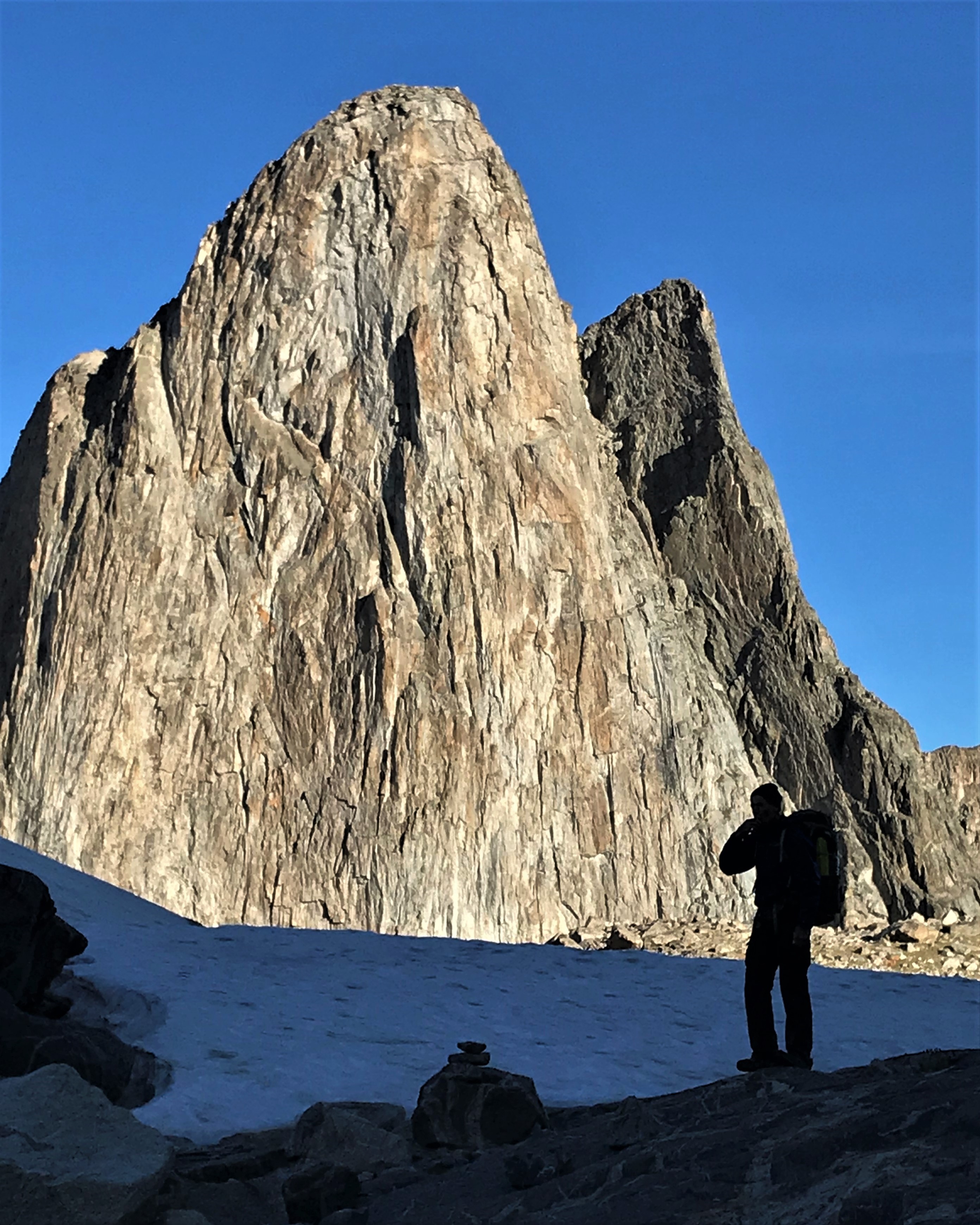
Photo: Pronghorn Peak from Bonneville Pass 5 days into an 8 day through hike in the Wind River Range, WY. At age 65 made possible by strength training, interval training and intermittent fasting.
Mark was frustrated. He was out of shape, thirty pounds overweight and pre-diabetic. He came to me for strength training and help with nutrition. After his strength assessment, I said, “What and when do you eat?”
He said, “I have dinner around six, bed by 10, up at midnight to eat a snack, get up at 5 or six and have a big breakfast.” That was all I needed to know. He was never giving his body a chance to lower his insulin levels.
Constant consumption of high carbohydrate calories stimulates insulin production keeping our insulin levels high. Over time this leads to insulin resistance. For a better understanding of this process, read my article Body Set Weight: Why It’s So Hard To Lose Weight
Long-term diets often fail because they fail to address the problem of insulin resistance. One key to reducing insulin resistance is eating a healthier diet, the other, is to change when and how often we eat. This article addresses how fasting can help you lose weight and body fat by changing when and how often you eat.
The Benefits of Fasting
Our ancestors were hunter-gatherers capable of going hours or days with little or no food. Ancient Greeks used fasting to cure illness. Every major religion uses fasting for spiritual purposes. Here is the fasting timeline after eating:
- 1 to 3 hours: the body digest food, insulin levels rise allowing glucose uptake in the blood, muscles and brain for energy. Excess glucose is stored in the liver as glycogen.
- 6 to 24 hours: insulin levels fall, glycogen is processed into glucose for energy.
- 24 hours to 2 days: Liver manufactures new glucose (gluconeogenesis) for energy.
- 1 to 3 days: this is ketosis where fat in storage (triglycerides) are broken into fatty acids used directly for energy and glycerol which is converted into glucose.
- After 5 days: high levels of growth hormone maintain muscle mass and brain power; fatty acids and ketones supply energy needs; increased adrenalin levels maintain metabolism.
Your body adapts to fasting with lower insulin levels and increased insulin sensitivity. The combination of fasting and interval training can teach your body to preferentially burn fat as a fuel which lowers insulin resistance and helps you lose weight. For more detail read my article Fat for Fuel
Intermittent Fasting
Diets fail because of their consistency. The body adapts: eat less, your metabolism slows. Fasting is a cycle of life—feasting follows fasting. In today’s world, we have broken this cycle with immediate gratification and “comfort food.”
With myself and my clients, I favor intermittent fasting. There are many types of intermittent fasting: 12 hour fast, 16 hour, two days a week and anything in-between. Everybody is different, every lifestyle varied. Our dietary needs change as we age and with what we do on a daily basis. I worked with Mark and my other clients to find an intermittent fasting program that works for them.
A Flexible Approach to Fasting
Our ancient ancestor weren’t on clocks. They ate when they could, went hungry when they had to. I encourage my clients to fast 12 to 16 hours per day. This allows insulin levels to fall and the body to burn fat as fuel. If I know I won’t be able to eat until late in the day, I will break my fast early. If I am going for a morning ski or bike ride, I will eat before my activity if it is a long duration event; after my activity if it is a short duration. You may say, “Don’t you get hungry?”
I say, “Yes! Sometimes I’m starving.” I have learned hunger pangs disappear. I feel more alert and energetic when I fast. This is common. My intermittent fasting is free form. It works for me. For years I was ten pounds heavier than I needed or wanted. In the last five years, I have my weight right where I want it. I feel better and perform better at my sports. I can do an 8 day backpack trip consuming 1800 calories per day (saving pack weight) while burning 3500 calories per day. At the end of the trip, I’ve lost 5 pounds of fat.
Intermittent fasting does not work by itself. You have to train your body to be a good fat burner. You need to eat nutrient rich, calorie light foods and stop eating before you feel full. Fasting doesn’t work if you pig out after your daily fast.
Epilogue
I worked with Mark for over a year. It took some time, but it worked. He got stronger with strength training, lost 30 pounds with intermittent fasting, and improved his fat burn with interval training. Read my article Gaining Fitness, Losing Weight and Slowing Aging with Interval Training Every client is different. It takes time and effort to find the key to weight loss and fitness. Please contact me if I can help you take control of your health at mailto:steve.crookedthumb@gmail.com

Photo: Sunrise on Osborn Mountain, Wind River Range, WY.
Leave a Reply