
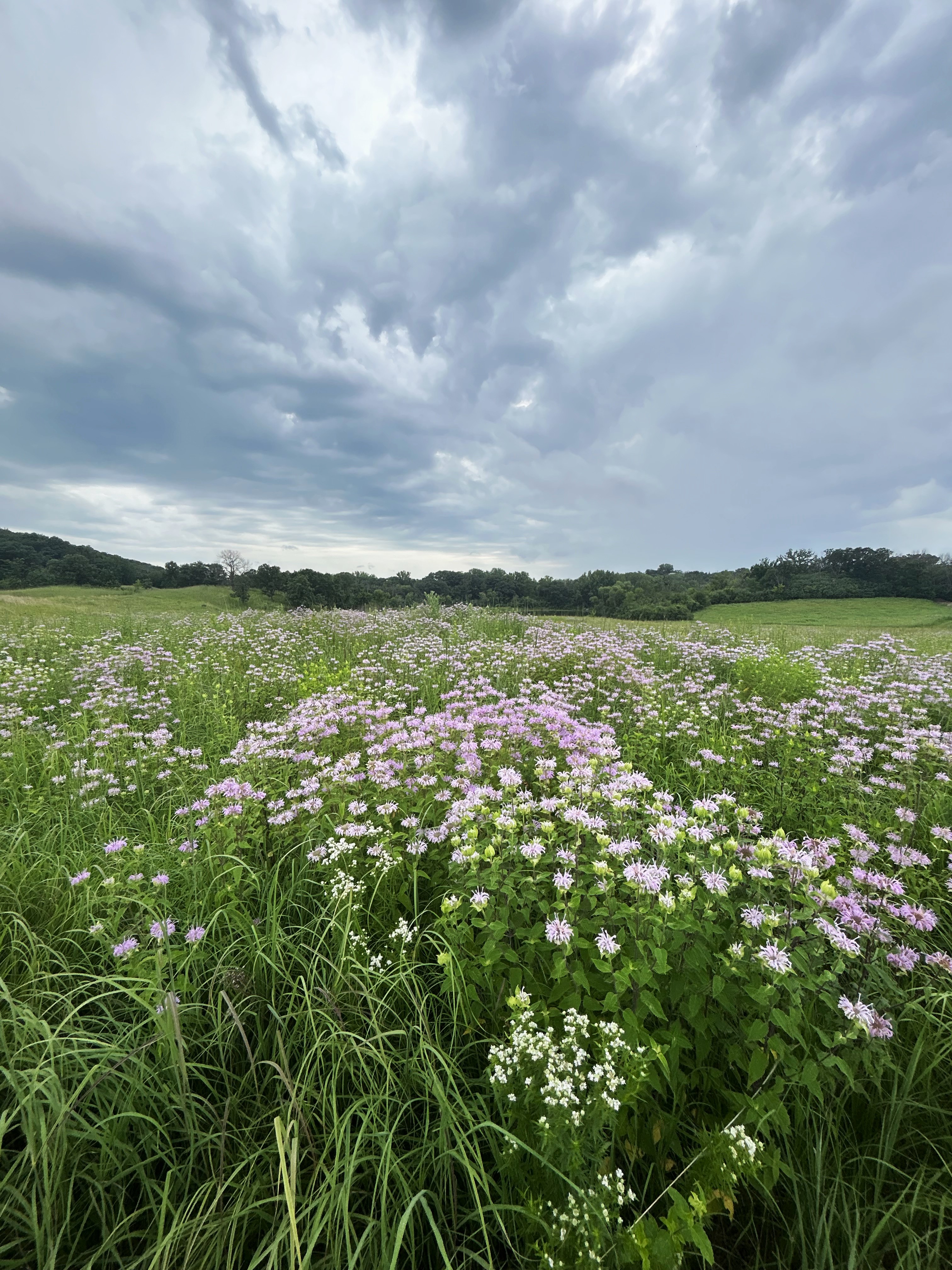
Photo: An easy recovery hike during my ten day taper for the 2025 National Senior Games cycling championships. Hyland Park, Minnesota, July 2025
It is Sunday morning 7:30 am. The sun is partially obscured by mist, the morning air cool—thick with the smell of lush growth and humidity—Minnesota late July. No one is on the road. Up the hill, lean into the right turn, a swooping left turn, and another right. I power up and fly down Gleason Hill. I don’t mean to push today, but this is pure fun. It’s what cycling is all about. After my ride I look at Strava, an app that records rides. Not only did I set a personal best on Gleason, but I have the top time and speed recorded for all 70 to 74 year-olds. The 2025 National Senior Games cycling championships are 10 days away. I have spent the last four and a half months training: The Road to Nationals: Training for Events. Now it’s time to taper.
This article is about tapering. Tapering is systematic reduction in training load prior to your event. I have written previously about training for events from a week hiking in the desert to a week of backcountry skiing in the mountains. Training programs are useful for a wide variety of activities and becomes increasingly important as you age… when you have the freedom to do the things you have always wanted to do. Read: A Purposeful Life: Training for Sport, Adventure and Life.
As I wrote this article, I started thinking of tapering as a metaphor for life. At 71, I am tapering: lightening my work load, decreasing intensity and frequency of hard workouts and setting age appropriate goals. Tapering gives me the serenity to accept I am exactly where I am supposed to be.
Training Load and Tapering
Training load is commonly defined as volume + intensity + frequency. Over the course of a training program, we vary these factors up and down in a process called supercompensation to increase our strength, endurance and power. As we get close to our event we taper. Tapering helps prevent overuse injuries, prepares you for peak performance, and increases your margin of safety. The duration of the taper is generally one to two weeks depending on the duration of your event. At cycling nationals, I will be racing four out of five days; short distances, but high speed. Based on experience I choose a ten day taper.
There is not a lot of specific information on tapering for active or competitive 60 to 80 year olds. Go figure, we are not dead yet. My kids were all competitive state championship swimmers in high school. I asked them about tapering. They all said reduce volume and frequency, but maintain intensity. My son Charlie went one step further—he used AI ChatGPT to create a taper program specifically for me. I adapted it for my work schedule, weather, and my specific racing events. One thing with training plans: they always change. Be flexible.
Tapering Suggestions
The first component of training load is volume. Over the course of ten day days I will reduce my normal volume to 75%, then 50%. Over the last three days I will reduce workout duration so my volume drops to 20% of normal.
The intensity of intervals is maintained but with a reduction in frequency. In a normal training ride, I do six sprints, hill climbs, or Full Threshold Power (FTP) intervals. In a ten day taper, I drop that to three per ride, then two, and finally one. As measured by average power, speed and heart rate, my overall workout output will decrease.
I am trying something new with frequency as suggested by ChatGPT. Over the final week days before my event, I will do something every day to maintain fitness and power. The workouts get easier every day. On the final day before the race, I will do a short distance with a little kick.
I am a believer in cross-training. During the cycling season, I do strength workouts one to two times per week. During taper I do one light strength workout per week. I also hike or ruck (hike with a pack) two days a week. When I taper I drop that to once per week with short distance and easy pace.
Don’t forget to feed your fire. Read this article about nutrition for training: Feeding Your Fire: Nutrition for Training, Competition, and Adventure. Even though my training load decreases, I want to keep my protein intake high. This will help repair muscle tissue damaged during training: Are You Getting Enough Protein in your Diet?
Conclusion
You can adapt training programs with a taper for any activity from one day races to weeklong adventures such as hiking, river rafting and skiing. Keep learning, experimenting and stay safe. This is how you stay young. Don’t Let The Old Man In: Seven Strategies For Adding life To Your Years
I feel good in this final week. My times this year are comparable to my peak times three to four years ago. I’m not concerned how I will do compared to my competition. I find the most pleasure and purpose in training. It’s about the journey, not the destination. The same is true of life. Enjoy the journey, the destination is the same for all of us. You can’t take it with you.
Please let me know if I can help you with training or tapering. Thank you for reading.
Leave a Reply